rural education funding shortfall: who pays next?
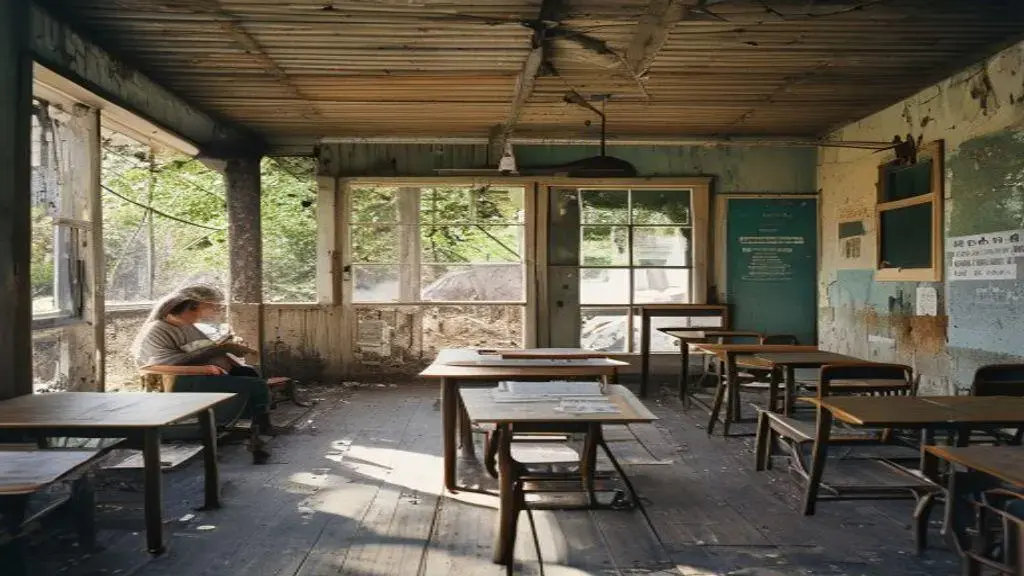
rural education funding shortfall occurs when state formulas, low local tax bases, high transportation and facility costs, and enrollment declines create persistent revenue gaps that reduce programs, staff, materials, and services in small districts unless targeted weights, multi-year grants, and shared services are enacted.
rural education funding shortfall is showing up as empty textbooks, leaky roofs and fewer teachers in small towns. Ever wondered how communities cope? I share brief examples, practical steps families and schools try, and what policymakers might change.
Scope and causes of the shortfall in rural districts
rural education funding shortfall shows up as closed programs, delayed repairs, and fewer teachers in small towns. This section explains who is affected and why the gap exists.
We look at the systems and local forces that create funding shortfalls, so readers can spot causes and link them to practical fixes.
How state funding formulas disadvantage rural districts
Many state formulas tie money to property taxes or enrollment. That leaves districts with low property values or falling student counts with less revenue per child.
Local economic decline and shrinking tax base
Rural economies often depend on a few employers. When farms consolidate or businesses close, the tax base shrinks and school funding drops.
- Lower property values reduce local school revenue.
- Declining enrollment cuts per-pupil allocations even as fixed costs stay high.
- Higher transportation and maintenance costs raise spending needs.
- Limited local budgets force cuts to programs and staff.
Federal and state categorical grants can help, but they often come with strict rules. That limits a district’s ability to cover the basics that change year to year.
Teacher shortages and higher per-student costs make the shortfall feel larger. Rural districts may pay more for recruitment, housing help, or travel for special services.
Infrastructure needs worsen the picture. Older buildings, long bus routes, and weak internet raise costs while the money available falls.
Examples are clear: a district that loses a local factory sees property tax income drop. Enrollment may fall as families move away, yet buses and building upkeep still cost the same.
Understanding these causes helps communities target solutions. Recognizing the role of funding formulas, local economies, and fixed costs points to where changes will help most.
Direct impacts on students, teachers and learning conditions
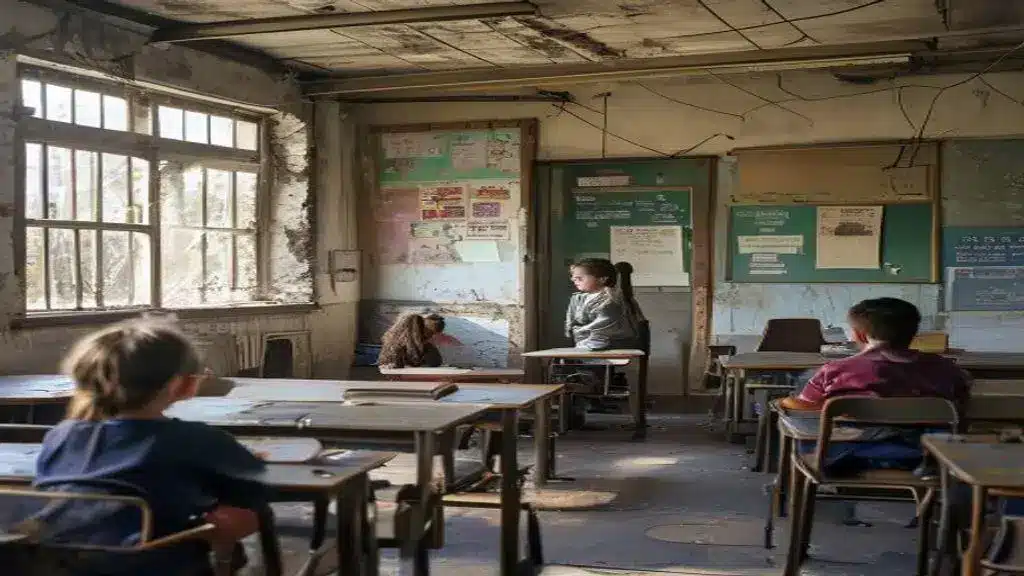
rural education funding shortfall hits students first: fewer classes, older books, and limited supports make learning harder. Small towns feel the gap in real ways.
This section lists concrete effects on learners and staff so communities can see where help matters most.
Immediate effects on students’ learning
Large class sizes and cut elective courses reduce time for individual help. Students may lose access to arts, science labs, and hands-on learning.
Strain on teachers and school staff
Teachers face bigger workloads and fewer resources. Recruitment and retention suffer when pay and support lag behind other districts.
- Lost programs like music, counseling, or advanced classes.
- Older textbooks and limited classroom supplies.
- Higher student-to-teacher ratios that lower attention per child.
- Limited professional development for teachers.
Special education and English learner supports often shrink first. Those services cost more per student and are hard to scale back without harming outcomes.
Technology gaps widen the divide. Slow internet and few devices hurt homework, testing, and remote learning options. Students outside town struggle to keep pace.
Extracurriculars and enrichment fade when budgets tighten. Sports, clubs, and field trips give students chances to build skills and stay engaged; their loss can lower attendance and hope.
Mental health and school climate are affected too. Fewer counselors and larger classes make it harder to spot and treat anxiety or trauma, which harms learning and behavior.
Families often pitch in, but local donations can only do so much. Reliance on volunteers and fundraising creates unstable support that varies by community.
Understanding these direct impacts helps prioritize solutions that protect students, support teachers, and improve learning conditions despite tight budgets.
Local responses: community, nonprofits and school innovations
rural education funding shortfall often sparks local action. Towns, nonprofits and schools try creative fixes to keep classrooms open and kids learning.
Here we show practical responses that communities use now and how schools innovate to stretch scarce dollars.
Community initiatives that make a difference
Residents organize fund drives, volunteer programs and shared services to cover gaps. Small efforts can keep after-school activities and book supplies available.
Nonprofit partnerships and targeted aid
Nonprofits bring grants, technical help and programs that partners cannot fund alone. They often focus on tutoring, mental health or technology access.
- Shared purchasing or co-ops that lower supply costs.
- Mobile services like libraries or health clinics visiting schools.
- Mentoring and volunteer tutoring programs from local groups.
- Grants for internet access and classroom technology.
Schools adopt flexible staffing and shared roles to manage costs. A teacher may lead two subjects, or districts share counselors and special educators across schools.
Blended learning and low-cost tech can fill curricular gaps. When internet is limited, offline digital kits and rotating devices help maintain continuity.
Local businesses sometimes offer internships, equipment or space. Farms, factories and shops can provide real-world learning and resources that enrich lessons without large budgets.
Districts also pursue creative scheduling, like regional specialty programs where students travel for advanced classes. This keeps offerings like music or STEM alive across several schools.
Volunteer networks and alumni giving often fund essentials. While helpful, these sources vary year to year and should complement, not replace, steady funding.
Working together helps communities blunt the effects of a rural education funding shortfall. Combining nonprofit support, local effort and school innovation protects students and supports teachers despite tight budgets.
Policy fixes and funding models that could close the gap
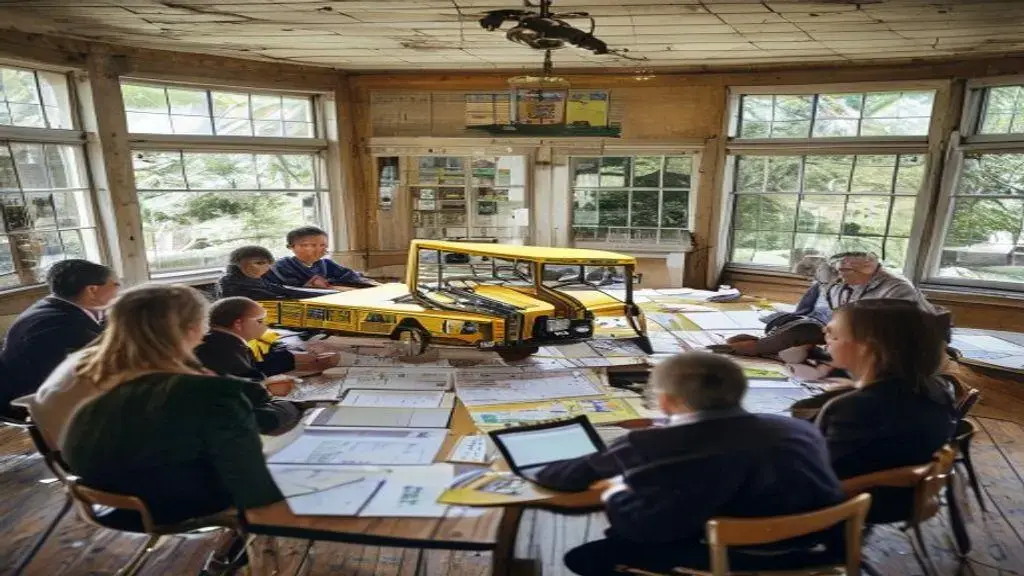
rural education funding shortfall needs policy fixes that match how small districts really spend. Below are practical funding models and steps states can take.
Clear rules, steady support, and targeted supplements help districts cover buses, buildings, and teacher pay.
Revise state formulas with rural cost weights
Add specific weights for sparsity, transportation and low local wealth so per-pupil funding reflects real costs. A simple rural weight can cut large gaps fast.
Shift to flexible, multi-year funding
Replace some rigid categorical grants with block grants that last several years. Flexibility lets districts spend on urgent needs without constant paperwork.
- Rural cost weight: boost per-pupil funding for small, remote schools.
- Multi-year block grants: stabilize budgets and reduce admin strain.
- Transportation and facilities supplements: fund long routes and aging buildings fairly.
- Incentives for regional sharing: support consortia for special ed, counselors, and vocational programs.
States can also fund targeted incentives to attract and keep teachers in rural areas. Loan forgiveness, housing stipends, and grow-your-own teacher programs work well and cost less than turnover.
Encouraging shared services across districts trims fixed costs. When several schools pool counselors, special educators or purchasing, each district gains access to services it could not afford alone.
Public-private partnerships and nonprofits can match state funds for broadband and low-cost tech. A state matching grant for internet builds long-term capacity for remote learning and testing.
Accountability matters: tie some funds to basic reporting, but avoid heavy audits that punish small staffs. Simple outcome checks and transparent reporting keep money focused on students and support for teachers.
Adopting a mix of equitable formulas, flexible multi-year funds, targeted supplements, and regional incentives gives rural districts tools to close gaps and protect learning.
rural education funding shortfall can be reduced when states, communities, nonprofits, and schools act together. Simple policy fixes, steady multi-year funding, and local innovation protect students and support teachers. With clear goals and shared effort, small districts can keep classrooms open and learning strong.
FAQ – Common questions about rural education funding shortfall
What causes a rural education funding shortfall?
Low local property taxes, falling enrollment, higher transportation and facility costs, and state formulas that don’t reflect rural needs.
How does the shortfall affect students and teachers?
It reduces programs, raises class sizes, limits resources and technology, and makes teacher recruitment and retention harder.
What can local communities do right away?
Organize fundraising, partner with nonprofits, share services across districts, and support volunteer tutoring and blended learning.
Which policy changes most help rural schools?
Adding rural cost weights, offering multi-year block grants, funding transportation and facilities, and incentivizing teacher retention.